Art advisor based in New York and Berlin
Collect
Through intimate collaboration with clients, John has facilitated private legacy collections that inspire friends and family while also being of significance in the present and future cultural landscape.
Connect
In over thirty years as curator, writer, representative and advisor, John has built lasting connections to renowned galleries, museums, collectors, and visionary artists, which he draws upon to introduce his clients right into the heart of the global art market.

With home bases in New York and Berlin, John works at the pivotal nexus points of the global art world. Informed by an international upbringing and early experiences supporting contemporary art collections, his knowledge bridges the diverse art landscapes of Southeast Asia, Europe, Africa, and the US.
Some artists I like
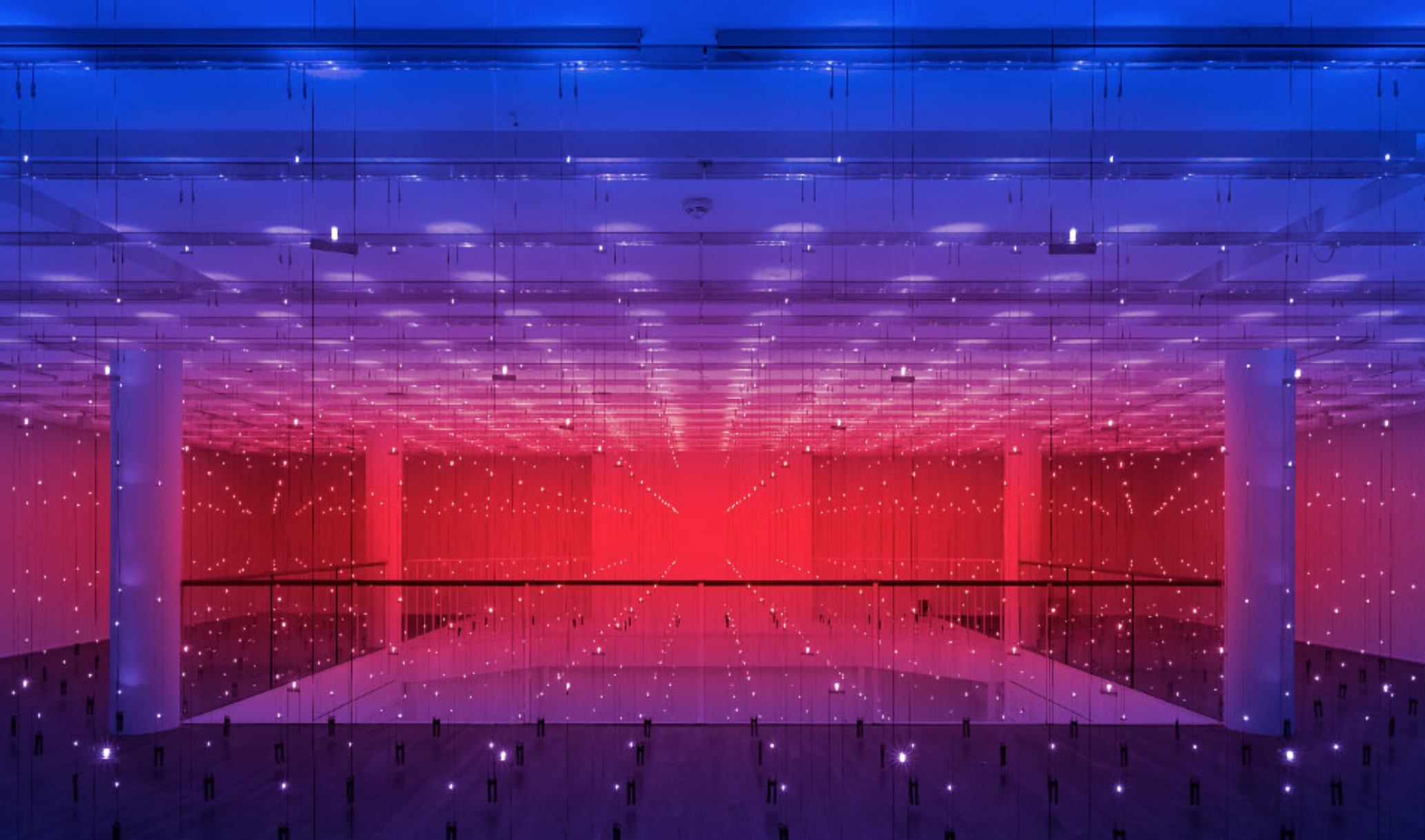
ERWIN REDL (b. 1963) is an Austrian-born multimedia artist whose innovative work reimagines the interaction between light, technology, and space. Through a process akin to reverse engineering, Redl transforms abstract aesthetic concepts into immersive light sculptures and environments that seamlessly integrate with architectural spaces. His large-scale, site-specific installations exude a profound gravitas, shaped by his deep engagement with philosophy, technological theories, and classical composition. Guided by the principles of minimalism, Redl’s practice redefines spatial perception, using precisely arranged LEDs and vibrant color palettes to construct dynamic, meditative compositions. These works not only captivate visually but also create a physical and emotional resonance, offering viewers a transformative encounter with light and space that inspire reflection.
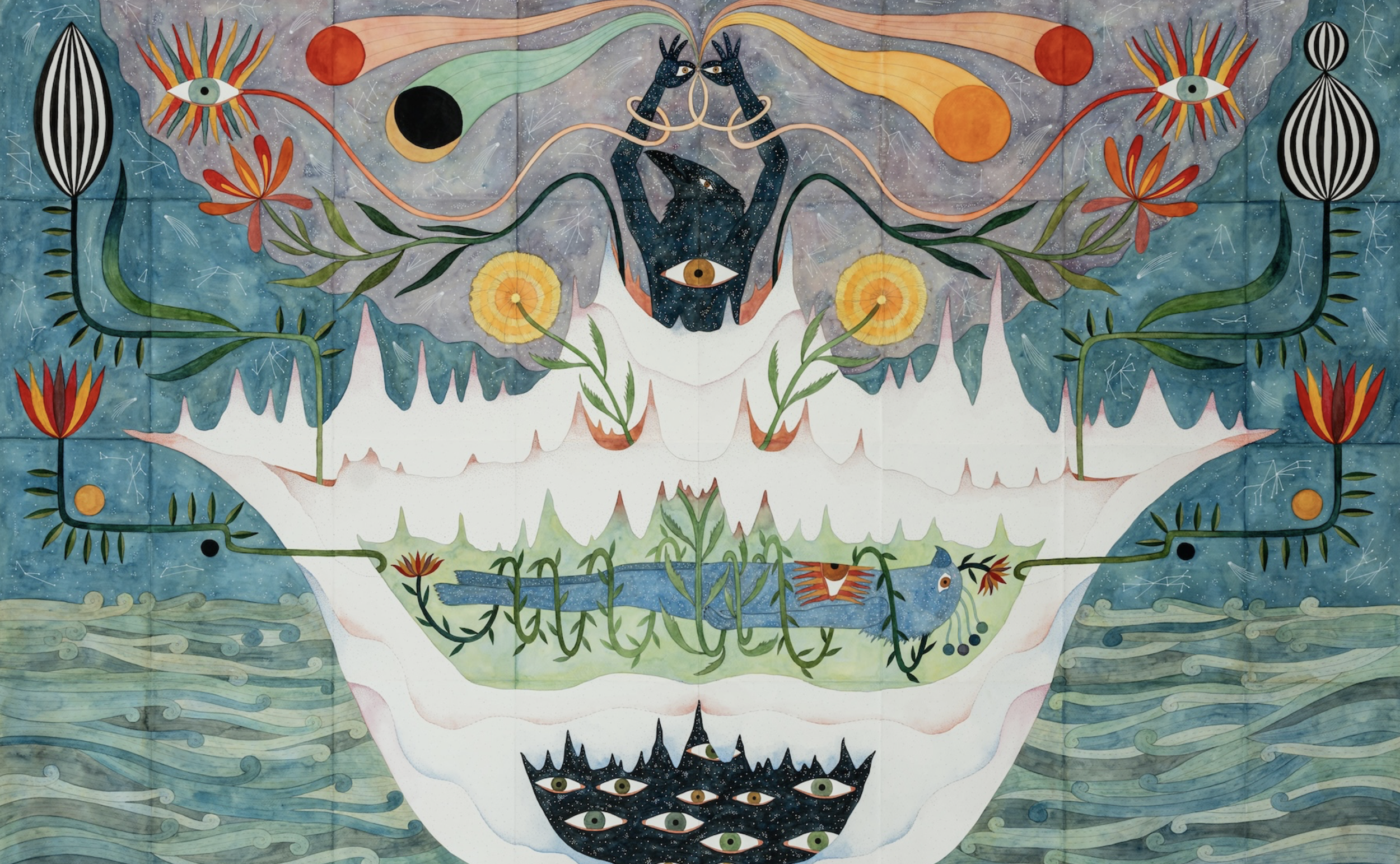
RITHIKA MERCHANT (b. 1986) creates paintings and installations composed of exquisitely rendered tableaux in which human figures and imagined landscapes exist in harmonious dialogue. At once painterly and choreographic, her compositions draw upon Renaissance painting, South Asian mythology, and scientific narratives to construct layered visual worlds. While grounded in these historical and cultural traditions, Merchant's work addresses pressing contemporary issues—including environmental fragility, food insecurity, displacement, and collective trauma. However her narratives emphasize healing, resilience, and regeneration, envisioning a future grounded in ecological balance and the interconnectedness of all living beings.
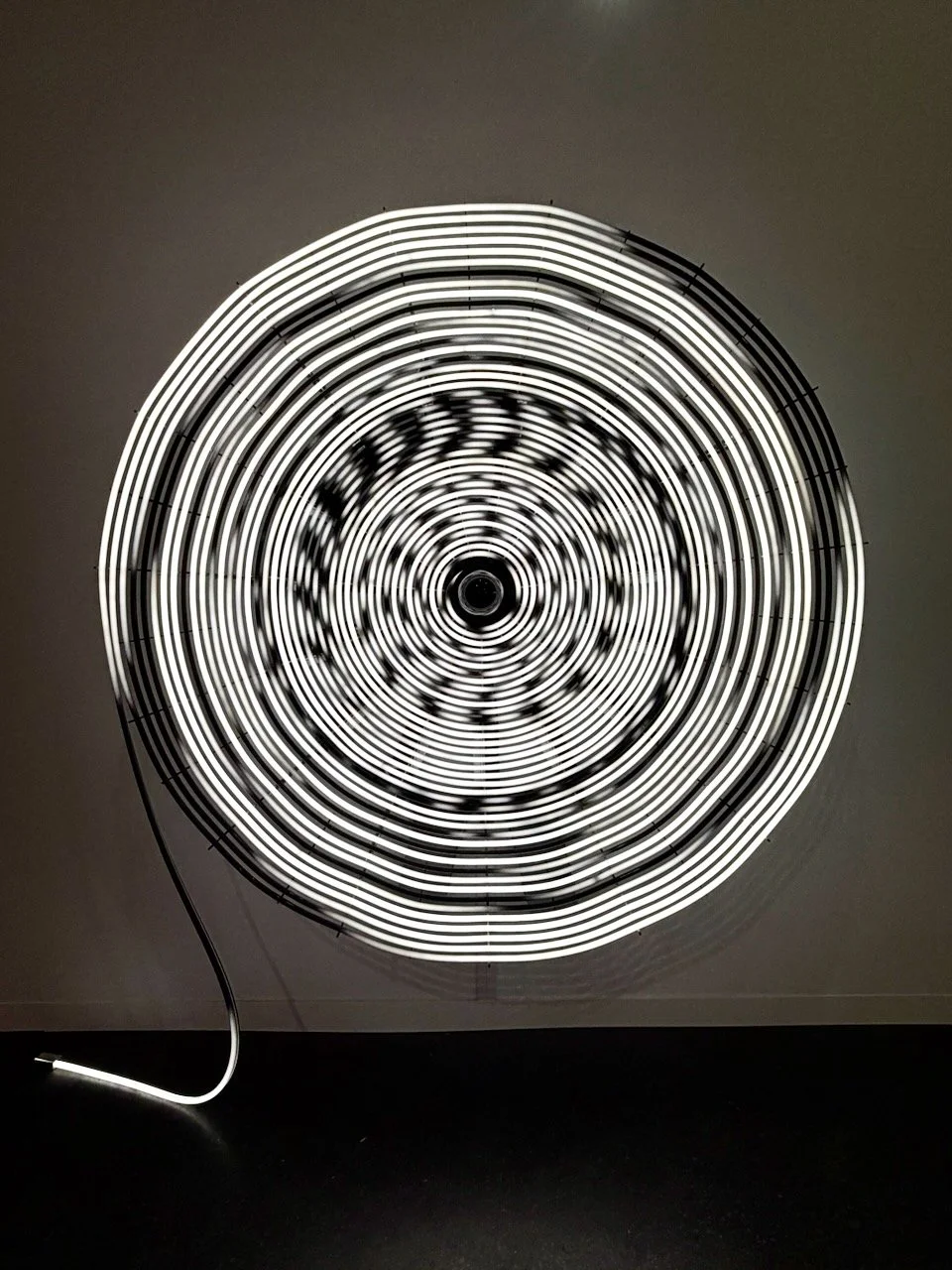
RAFAEL LOZANO-HEMMER (b. 1967) is known for creating large-scale interactive installations in public spaces throughout Europe, Asia, and North America. Using robotics, custom software, projections, internet links, cell phones, sensors, LEDs, cameras, tracking systems, and often employing vanguard technologies, his interventions challenge traditional notions of site-specificity, and instead focus on the idea of creating relationship-specific work through connective interfaces. His smaller-scale sculptures and his work in photography, video, and installation explore themes of surveillance, perception, and deception. Since his emergence in the 1990s, Lozano-Hemmer has mixed the disparate fields of digital media, robotics, medical science, performance art, and lived experience into interactive artworks.
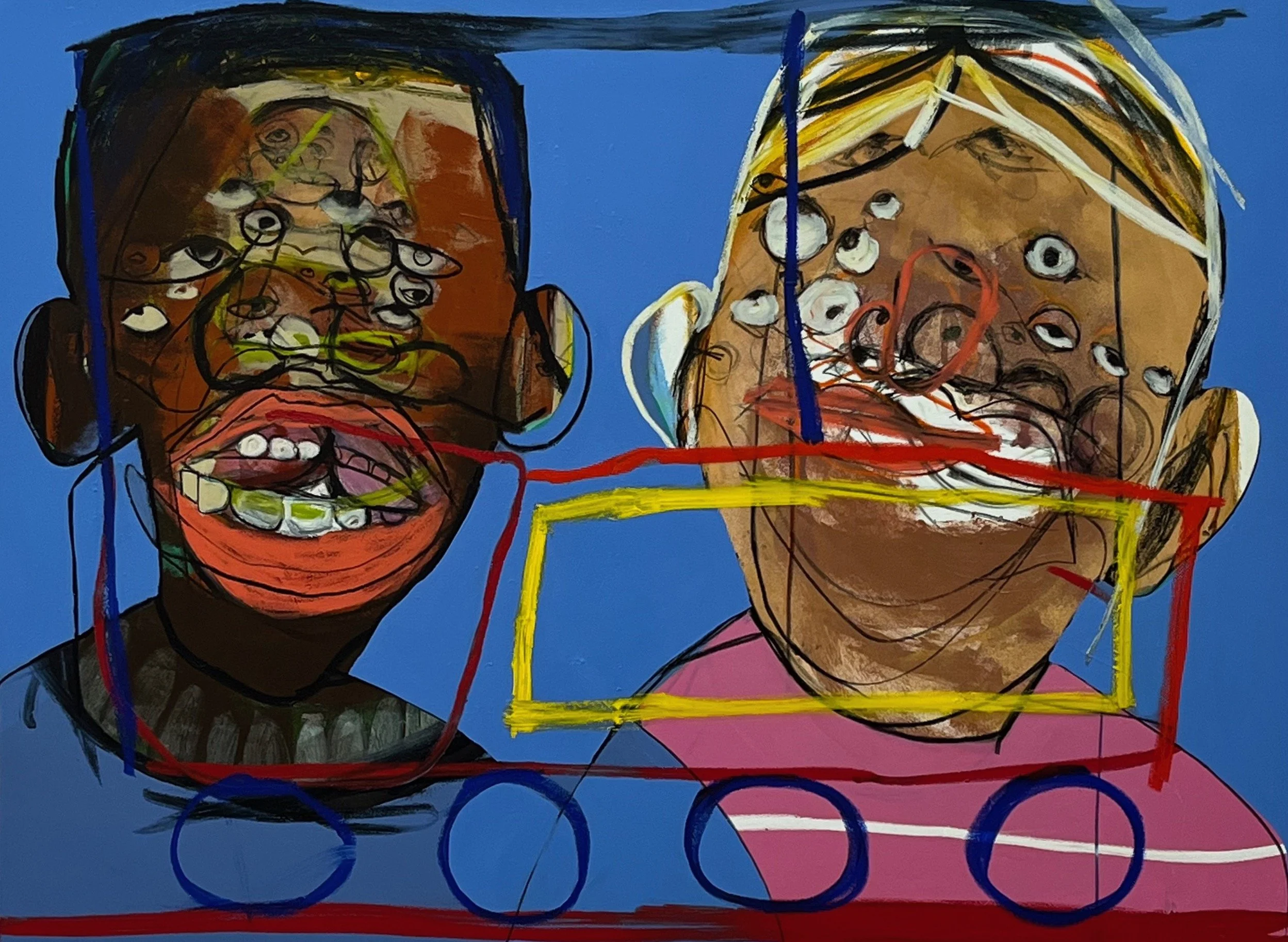
GENESIS TRAMAINE (b. 1983) is a Brooklyn-based expressionist and devotional painter whose abstract portraits transcend conventional notions of gender, race, and social structures. Her work is deeply influenced by her spirituality, urban upbringing, and identity as a Black, queer woman. Tramaine's distinctive style merges elements of 1980s urban New York graffiti with the emotive resonance of gospel music. She focuses on the shape and definition of the American Black face, using exaggerated features to convey profound emotions and the spiritual essence of her subjects. Her mixed-media approach, primarily utilizing acrylic and oil-based paints, results in confrontational and provocative compositions. Her art is profoundly shaped by biblical narratives and the wisdom of the saints and prophets. Tramaine describes her paintings as portals, each imbued with spirit and intended to transport viewers beyond the canvas.

Working across porcelain and stoneware, metal, wood, and painting, New York-based GENESIS BELANGER (b. 1978) creates tableaux that draw from, and critique, the aesthetics of capitalist production and consumption. Her work is characterized by an idiosyncratic visual language that repurposes everyday objects into often seductive yet unsettling surrogates for human emotions and societal anxieties. Belanger’s installations mimic the semiotic strategies of advertising—using beauty, nostalgia, and humor to evoke psychological responses, and in her hands, these familiar symbols are recontextualized and cause a shift from tools of persuasion to agents of critical reflection.
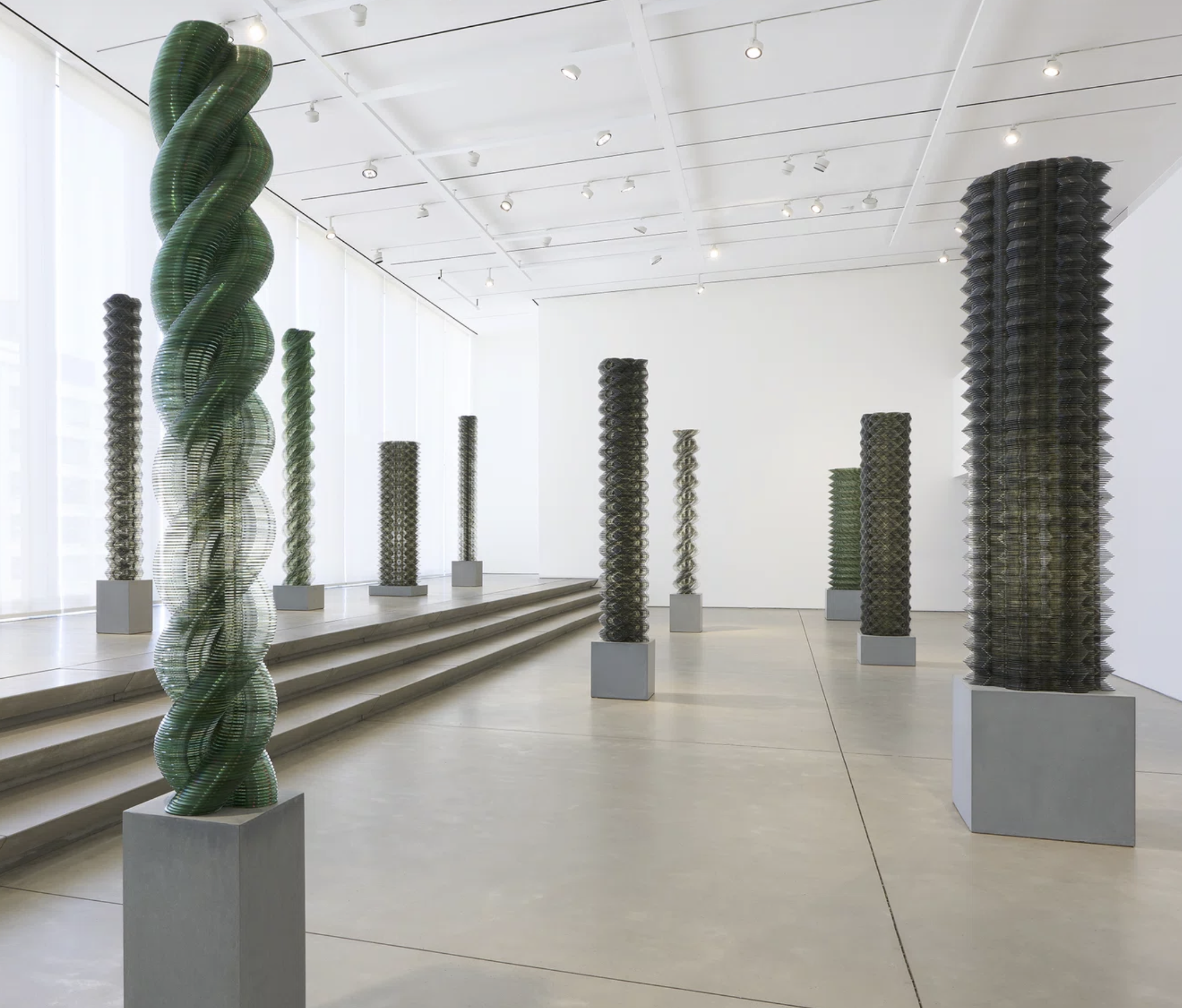
TARA DONOVAN (b. 1969) is known for her process- and system-based work across sculpture, installation, drawing, and printmaking, and often explores the talismanic qualities of everyday materials and objects, from buttons, Styrofoam cups, pencils, and pins to readymade screens and Slinky toys. Drawing on the formal language of Minimalism and Post-minimalism, Donovan’s works both use and misuse such nontraditional materials, transforming them into visually dazzling compositions that transmute her materials into shapeshifting works of art, which explore the possibilities—and limits—of human perception.

STEVEN AND WILLIAM LADD (b. 1977 and b. 1978) are New York-based artists and brothers who have been collaborating since 2000. They create narrative and sculptural landscapes that blend design, textile, sculpture, jewelry, performance, and video. Drawing inspiration from childhood memories and family folklore, their multilayered installations transform personal stories into richly textured and symbolic artworks. The signature tower landscapes incorporate elements such as handmade glass bead trees, meticulously felted and stitched tableaus, found objects, and scrolls of fabric, seamlessly merging craftsmanship with conceptual depth. The Ladds’ practice is characterized by a meditative, process-driven approach that imbues their works with a sensuality transcending their material origins, inviting viewers into their metaphorical worlds. This ethos is further embodied in their Scroll-a-thon project, an expansive community engagement initiative. Designed to collaborate with institutions across all 50 states, this participatory artwork will culminate in a monumental presentation at the Kennedy Center, celebrating the 250th anniversary of the United States.
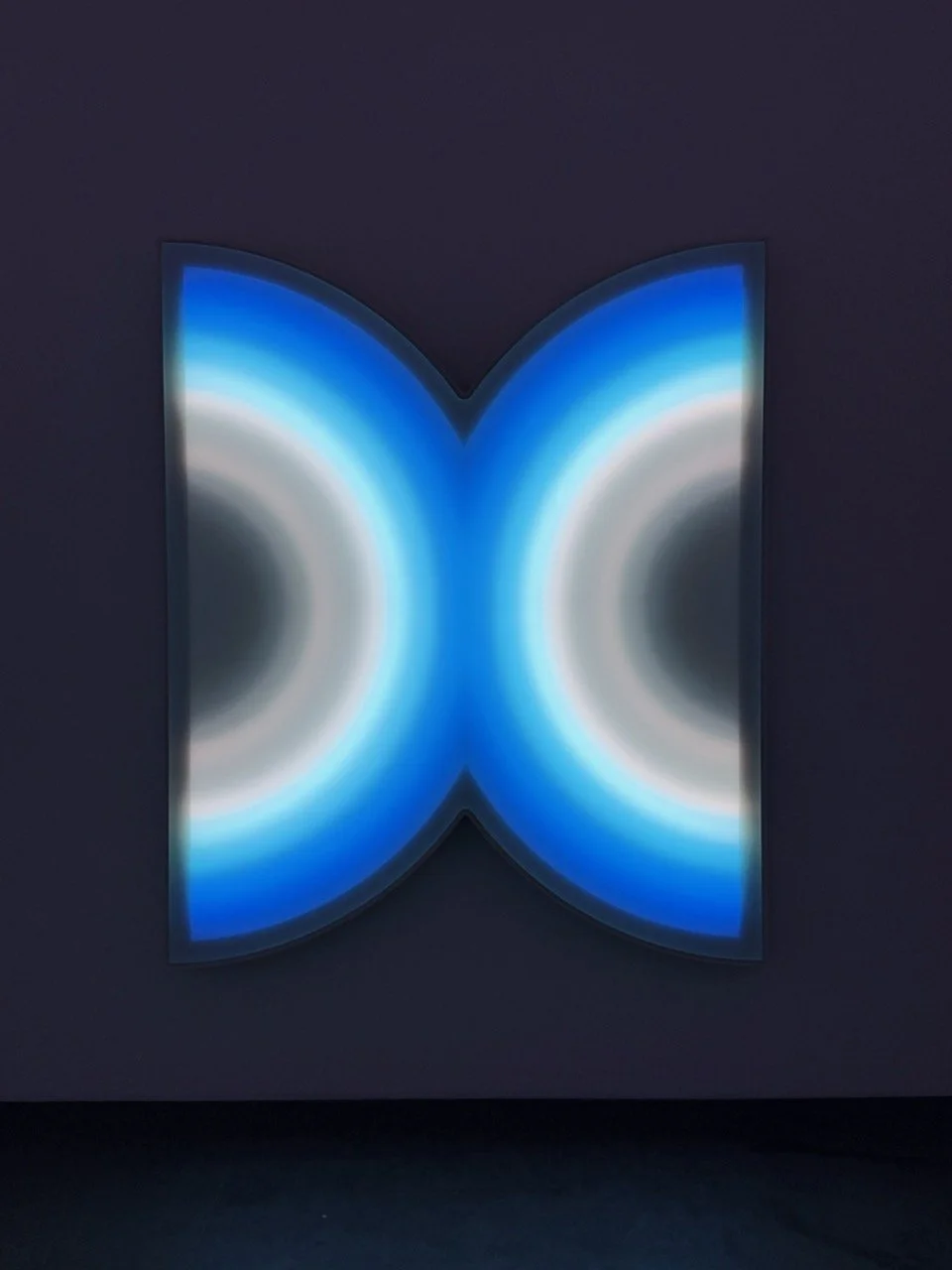
PHILLIP K. SMITH III (b. 1972) employs light as both medium and structuring principle, extending and recalibrating the perceptual and spatial inquiries central to post-Minimalism and the Light and Space movement. His work emanates from a lineage established by artists such as Robert Irwin and James Turrell, in which perception and space itself become the primary site of inquiry. Operating between sculpture and architecture, Smith produces site-responsive interventions that foreground the contingencies of light, temporality, and spatial experience. His use of reflective surfaces, chromatic modulation, and geometric form activates an encounter in which object boundaries dissolve, and the distinction between artwork and environment dissolves. Smith’s light sculptures redefine sculpture as experience beyond a static object.

PIPPA GARNER (b. 1942) is the quintessential American artist who aims to "set an example that no one can follow." Born into an era of American optimism, her approach to art and her own body is that everything can be tinkered with. Working primarily in sculpture and drawing, she challenges our sense of propriety by creating confounding and culturally critical art objects.

MULYANA (b. 1984) is an Indonesian artist who approaches knitting and crocheting as acts of meditation and prayer. Central to his vision is fostering a collaborative artistic practice that inspires collective efforts toward a sustainable future. Mulyana’s large-scale kinetic installations feature intricately knit and crocheted marine life sculptures, creating vibrant, immersive depictions of pristine underwater worlds. These works serve as poignant metaphors for the fragile beauty and diversity of coral reefs, which are increasingly threatened by human activity. In his recent projects, Mulyana incorporates single-use plastics, transforming them into visceral reminders of the environmental challenges we face as a global community. This integration underscores his dual concern for the planet’s ecological health and the importance of individual self-care. Through his art, Mulyana advocates for a holistic approach to healing and sustainability, offering a hopeful vision for both humanity and the natural world.
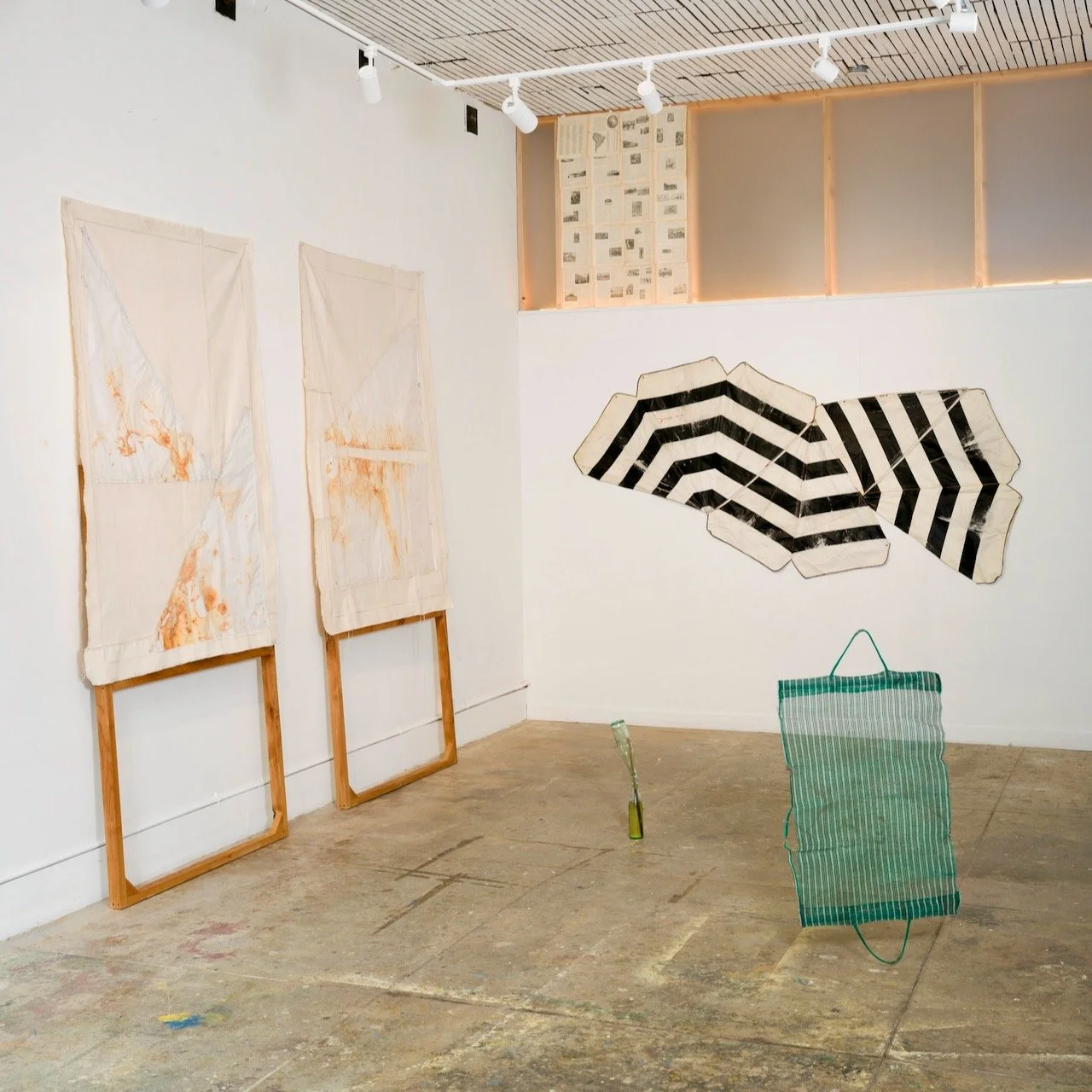
ZÉ TEPEDINO’s (b. 1992) practice is driven by the materials he discovers and the poetics of the everyday, drawing from the disparate visual and tactile languages of his immediate surroundings. Working between the urban setting and the coastal landscape, he navigates a productive tension between density and stillness, disorder and clarity—assembling fragments that register both environments simultaneously. Through an economy of gesture and a sensitivity to material presence, Tepedino orchestrates subtle interventions that operate within a lineage of post-minimal and process-based practices, where modest transformations yield perceptual shifts, allowing the familiar to emerge as contingent, unstable, and thereby he presents us with new versions of the expected.
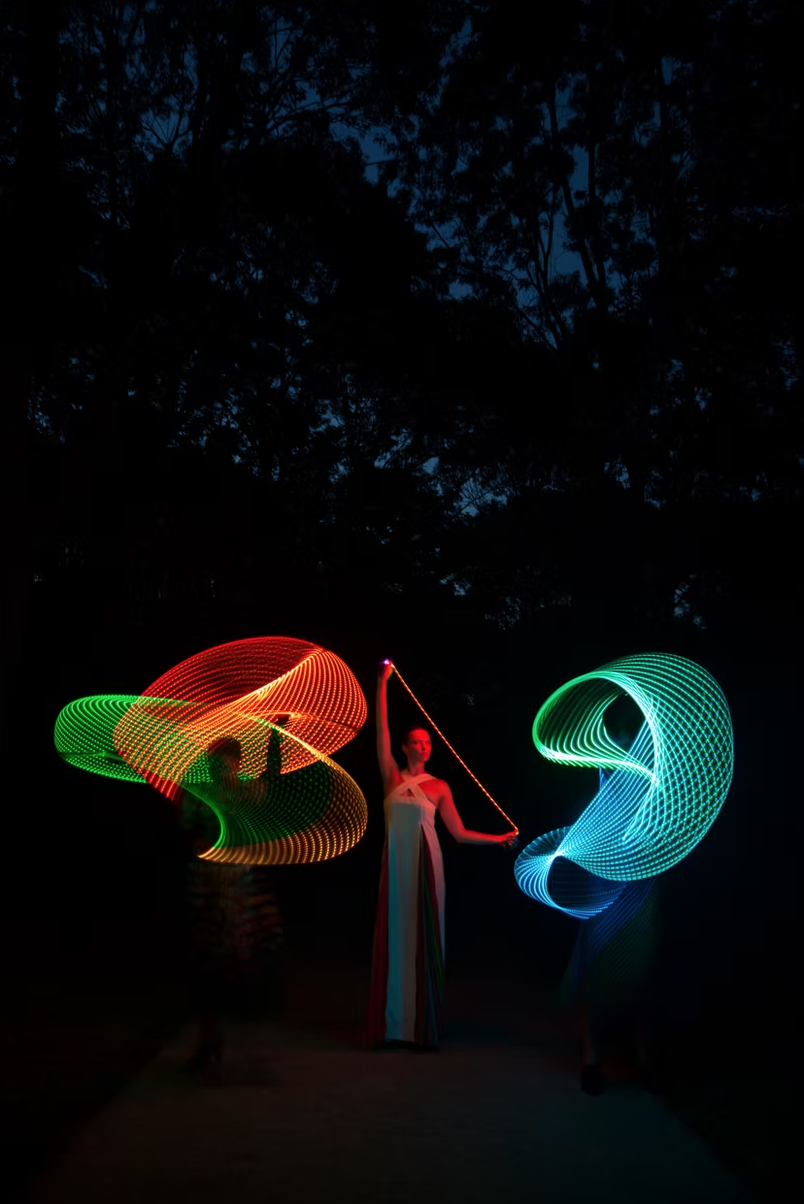
LIA CHAVEZ is a visionary, interdisciplinary artist working across light, installation, and immersive environments. She treats consciousness itself as a material—constructing conditions in which perception becomes an event and awareness a generative force. Her practice operates at the intersection of contemplative discipline, scientific inquiry, and embodied experience. Through precise manipulations of light, duration, and space, Chavez disrupts habitual modes of attention, creating works that move beyond the conventions of the commercial art object. Her installations do not represent transcendence; they produce the perceptual conditions through which it may be encountered. Situated within a lineage of sacred and visionary art, Chavez extends this tradition into a contemporary register—translating metaphysical inquiry into perceptual architectures grounded in lived experience.